Forge v1.8: Your Body Knows Before Your Mind Does
You've had mornings where you sit down to journal and everything feels heavier than it should. The words come out sluggish. Your thinking is foggy. You chalk it up to a bad day. But it's not a bad day — you slept 90 minutes less than your norm and your HRV tanked. Your body knew before your mind did.
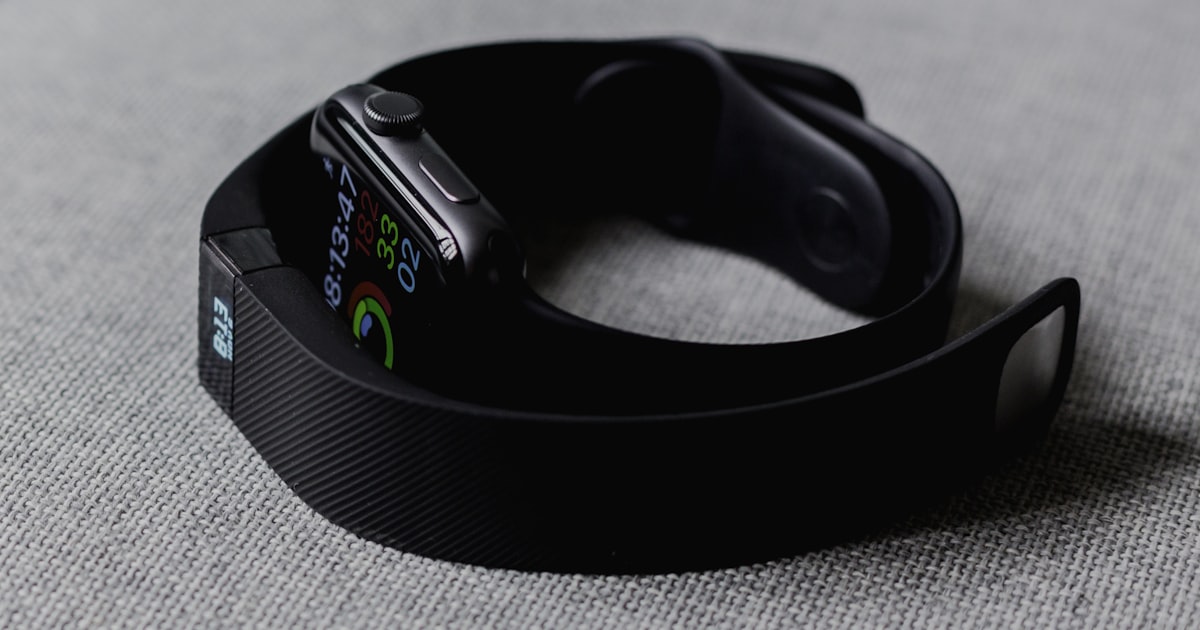
That's the insight behind Forge v1.8. Starting today, Forge connects to Apple Health to read your sleep, heart rate variability, resting heart rate, workouts, steps, and active energy. But here's what it doesn't do: it doesn't show you a dashboard. It doesn't give you graphs. It doesn't tell you your HRV score or lecture you about sleep hygiene. That's not what Forge is for.
Instead, it does something no other journal app does: it learns YOUR baseline over two weeks, then uses deviations from your personal norm to shape the questions it asks you.
Here's how it actually works. For the first 14 days after you connect Apple Health, Forge silently collects your data and builds a rolling baseline. It's learning what normal looks like for you — not some population average from a sleep study. Your typical Tuesday sleep. Your average Thursday HRV. Your personal recovery pattern after heavy training days.
After the learning period, Forge starts detecting when you deviate from your own norm. And it uses that context to adjust your entire journaling experience — without ever showing you a number.
When your sleep or HRV is meaningfully below your baseline, Forge shifts your prompts toward recovery and reflection. Instead of pushing you to set ambitious goals or make big decisions, it asks questions that help you check in honestly. Are you pushing through something you should be resting from? Is the mental fog you're feeling actually physical? When did you last take a real day off?
When your metrics are at or above baseline, Forge leans into clarity, decision-making, and ambition. You're well-rested and recovered — this is when your thinking is sharpest. Forge matches that energy. What decision have you been putting off? What would you do if you trusted your judgment? What's the move you've been circling?
And if you crushed a workout today, Forge acknowledges it. Not with a congratulations banner — with context. Physical output tells a story about discipline, stress management, and how you're channeling energy. Forge weaves that into the conversation.
The key design decision was what we chose NOT to build. We didn't build a health dashboard. We didn't add graphs or trend lines. We didn't create a section where you can obsess over your HRV score. Forge is a journal, not a health tracker. Your Apple Watch already does that. What it doesn't do is connect the dots between how your body is performing and what's going on in your head. That's where Forge lives.
All health data stays read-only — Forge never writes anything back to HealthKit. If you deny permissions or don't wear a smartwatch, everything works exactly as before. The health integration is invisible by default. It just makes the questions better.
We also shipped a few other things in v1.8. PIN Lock lets you protect your journal with a 4-digit code and optional Face ID unlock. Mood tracking lets you tag each entry and see your trends over the last two weeks. Action items now support due dates, reminders, and daily/weekly/monthly recurrence. And you can attach photos to entries.
To connect your health data, update Forge and look for the prompt during onboarding, or go to Settings and tap Connect Health Data. Give it two weeks to learn your baseline. After that, you'll start noticing that Forge asks different questions on different days — and that the difference maps to something real.
Your body keeps score. Now your journal does too.
Download Forge on the App Store or try the web app at forge-mens-journal.com.